26 Ocak 2016 Salı

25 Ocak 2016 Pazartesi
14 Ocak 2016 Perşembe
Pregnancy Loss and Postpartum Depression
Health providers and women themselves think that once they have a healthy baby after a loss, all would be fine and that any anxiety, fears, or depression would go away, but that is simply not the case. I honestly thought that once a woman had a baby or had gone past the stage of her previous loss, the anxiety and depression would go away, but these feelings persist.As a culture we often do not recognize the deep significance and impact of pregnancy loss. I still vividly recall my own family's well meaning reassurances of "don't worry you'll get pregnant again," that seemed so remote from the pain I felt following an early miscarriage.
In my work as a behavioral pediatrician, I frequently hear stories (identifying details, as always, have been changed to protect privacy) from mothers who have not had the opportunity to mourn the loss of a pregnancy. One mother told me about of having lost a baby at term and then suffering with severe postpartum depression (PPD) when her healthy child was born a year later. A five-year-old girl I saw struggled with severe separation anxiety. At first the focus of our work was on what to do to get her to sleep in her own room. But as we got to know each other, her mother, for the first time, spoke openly about her grief over a miscarriage when her daughter, an only child, was three. The little girl, it turned out, was worried about her mother. At the root of her separation anxiety was a wish to to protect her mother from feeling sad.
Mental health professionals who work with adults describe the phenomenon of the "replacement baby." These are adults who were born following the death of a previous child. When parents have not spoken of this child, or have not been able to fully grieve this loss, it may have significant long-term effects on the mental health of subsequent children. These effects may, in fact, persist for generations. One mother I worked with was such a "replacement baby." Her older brother had died at birth several years before she was born. When I saw this family, her son was 8 years old and the whole family was struggling. Separation anxiety was again the presenting problem. The marriage was strained because this mother had such an intensely close relationship with her son that her husband felt excluded. I learned that this son was named after her dead brother.
Interestingly, when I googled "pregnancy loss and postpartum depression" most of what I found asked if women could have postpartum depression following pregnancy loss. I think that both in terms of how we understand and how we treatment of these problems, it is important to think of them as two distinct and different phenomena.
Certainly a woman may slide from grief into depression following the loss of a baby. This may occur if the loss triggers memories of other losses, if she does not have an adequate support system, or there are other significant stressors in her life. But postpartum depression, as I describe in my previous post, is specifically a problem in a relationship. Untreated PPD often has significant long-term sequelae for the baby. Treatment of pregnancy loss focuses on the mother, while treatment of PPD needs to include the baby from the beginning.
What can we learn from these stories? As Massachusetts is currently working to address the issue of postpartum depession via the PPD commission, one very concrete we can do is to identify mothers who have had previous pregnancy loss, and especially those with multiple pregnancy losses and/or a stillbirth, as being at high risk for developing PPD. We can make sure that these mothers do not "fall through the cracks." One mother poignantly told me that because of a change in health insurance plans when her child was an infant, she was forced to give up the relationships with her health care providers that were very important to her, just at a time when she was most vulnerable.
Even before that, friends, family members, religious organizations and health care providers can be attuned to the nature of the trauma of pregnancy loss. Women themselves need to feel the right, and be given the space, to grieve a pregnancy loss. While the effects of such a loss can linger in any circumstances, it is unacknowledged and unprocessed grief that has to potential to have the tightest grip on people for years to come.
13 Ocak 2016 Çarşamba
Allergies, Asthma and Pregnancy
Allergy season is upon us and many women wonder if it’s safe to take medications to treat their allergy and asthma symptoms while they are pregnant. Doctors believe it is important to keep allergies and asthma under control and treatment is safe with the correct medication. If you are pregnant and suffer from allergies or asthma, you should visit your physician to see which treatment plan is best for you.
Go to the staying healthy while you are pregnant page to read more regarding safe treatments for allergy and asthma while you are pregnant.


Listeria and Pregnancy
Listeria has been in the news lately due to an outbreak related to contaminated ice cream. Most listeria infections are due to eating contaminated foods. Listeriosis can be passed to the unborn baby through the placenta resulting in premature births, stillbirth, miscarriage or serious health problems for the newborn. A pregnant woman infected by listeria may not experience symptoms.
USDA’s Food Safety and Inspection Service (FSIS) and the U.S. Food and Drug Administration (FDA) provide the following advice for pregnant women:
- Do not eat hot dogs, luncheon meats, or deli meats unless they are reheated until steaming hot.
- Avoid getting fluid from hot dog packages on other foods, utensils, and food preparation surfaces, and wash hands after handling hot dogs, luncheon meats, and deli meats.
- Do not eat soft cheeses such as feta, Brie, and Camembert, blue-veined cheeses, or Mexican-style cheeses such asqueso blanco,queso fresco, andPanela, unless they have labels that clearly state they are made from pasteurized milk.
- It is safe to eat hard cheeses, semi-soft cheeses such as mozzarella, pasteurized processed cheese slices and spreads, cream cheese, and cottage cheese.
- Do not eat refrigerated pâté or meat spreads.
- It is safe to eat canned or shelf-stable pâté and meat spreads.
- Do not eat refrigerated smoked seafood unless it is an ingredient in a cooked dish such as a casserole. Examples of refrigerated smoked seafood include salmon, trout, whitefish, cod, tuna, and mackerel which are most often labeled as “nova-style,” “lox,” “kippered,” “smoked,” or “jerky.” This fish is found in the refrigerated section or sold at deli counters of grocery stores anddelicatessens.
- It is safe to eat canned fish such as salmon and tuna or shelf-stable smoked seafood.
- Do not drink raw (unpasteurized) milk or eat foods that contain unpasteurized milk.
- Use all refrigerated perishable items that are precooked or ready-to-eat as soon as possible.
- Clean your refrigerator regularly.
- Use a refrigerator thermometer to make sure that the refrigerator always stays at 40 °F or below.
The links take you to information on contaminated products as well as food safety:
http://www.cdc.gov/foodsafety/
http://www.fsis.usda.gov/wps/portal/fsis/home


Alcohol and Pregnancy
Doctors say there is no safe amount of alcohol to drink during pregnancy. If you would like to read about the dangers of drinking alcohol while pregnant, go to the staying healthy while you are pregnant page for more information about alcohol and pregnancy.


10 Ocak 2016 Pazar
Pregnancy: Weeks 29-32 (Month #8)


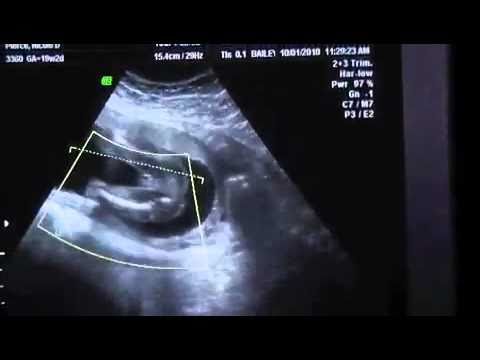
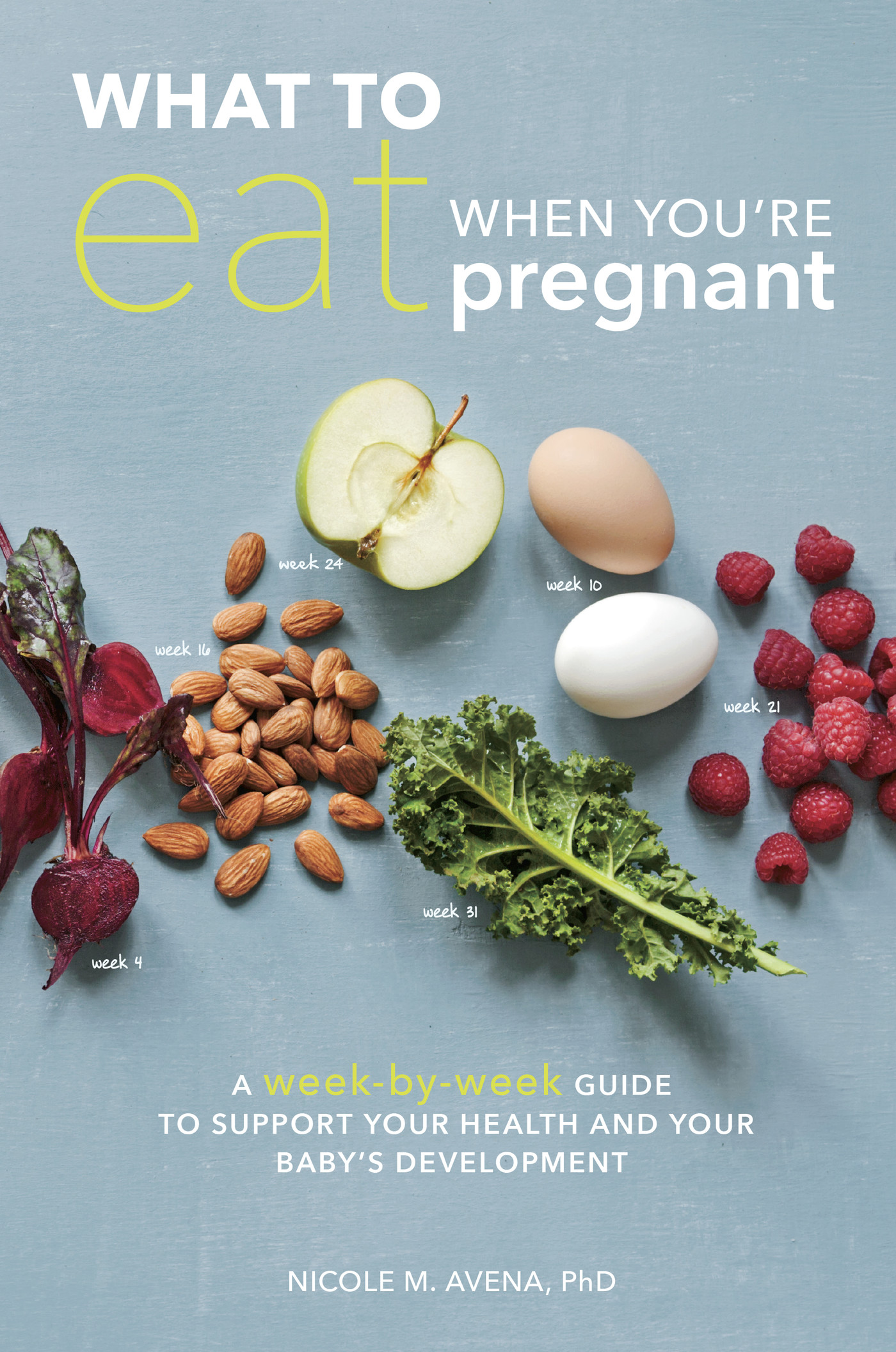
Good Health Tips of Pregnancy : What to Eat When You're Pregnant , it is no time to diet.


9 Ocak 2016 Cumartesi
First Aid - If your baby stops breathing